PRP in Wound Management: Healing, Naturally
Autologous growth factors have been used to treat chronic wounds for over 25 years. Here's how concentrating the right cells can shorten healing time.
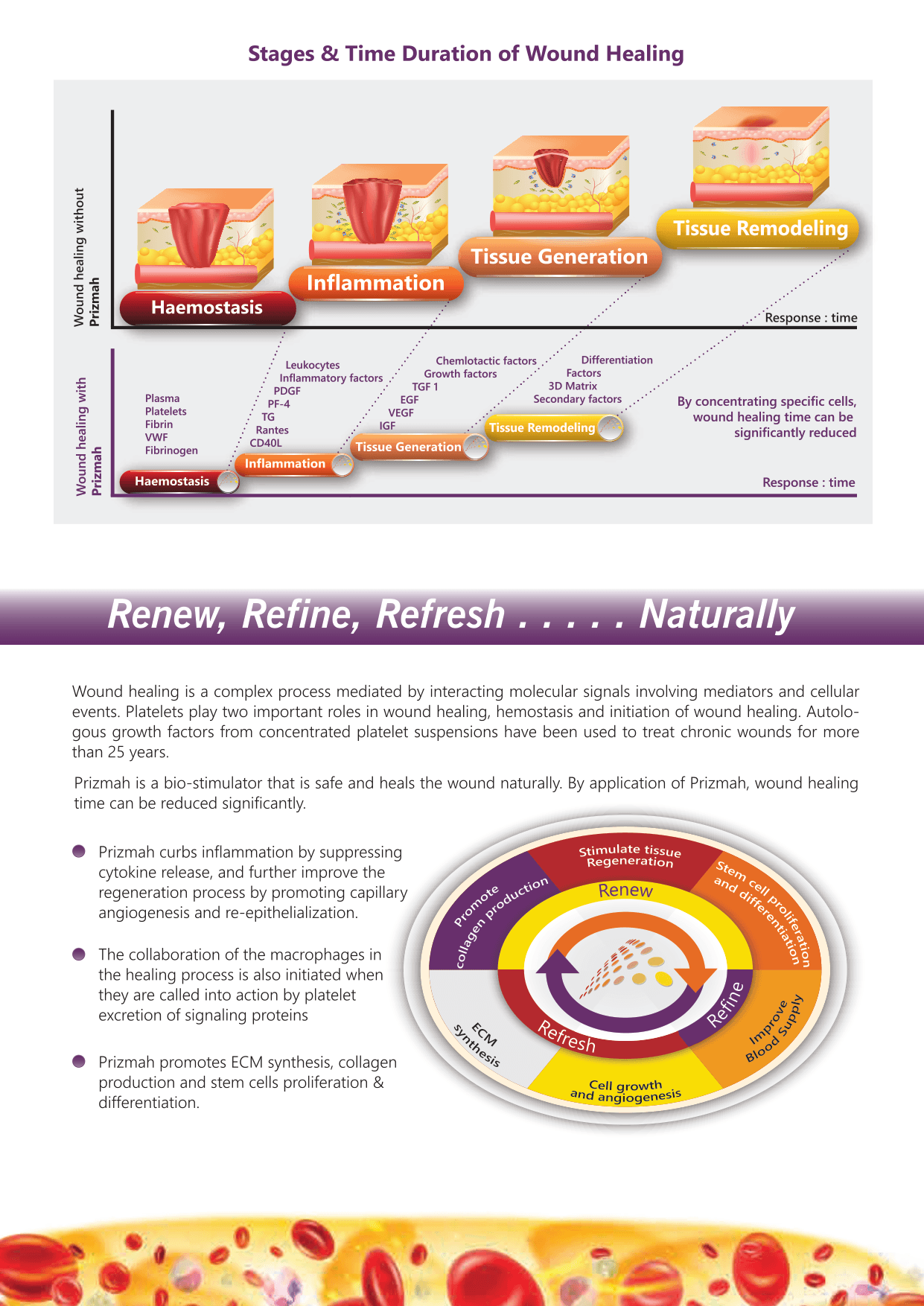
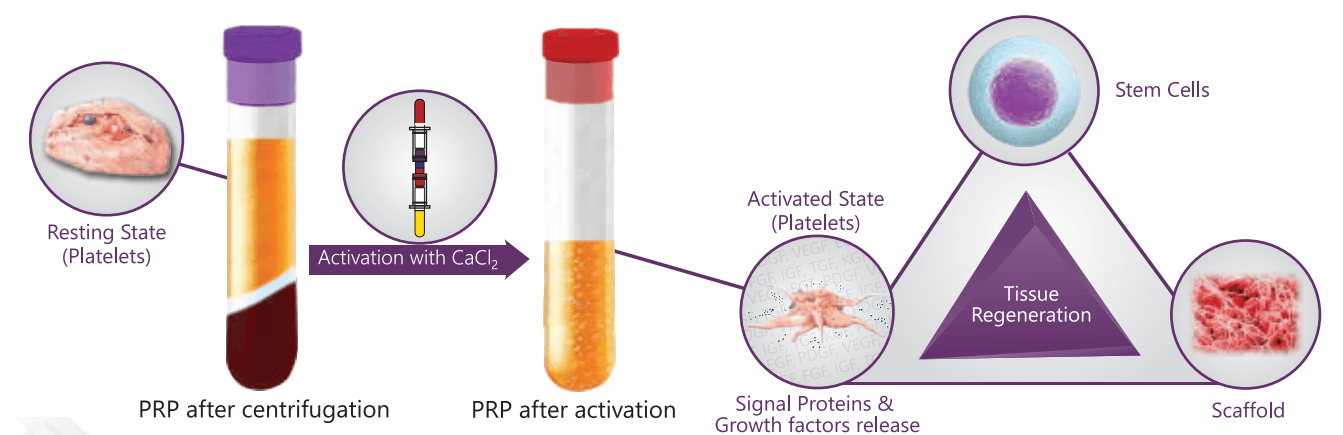
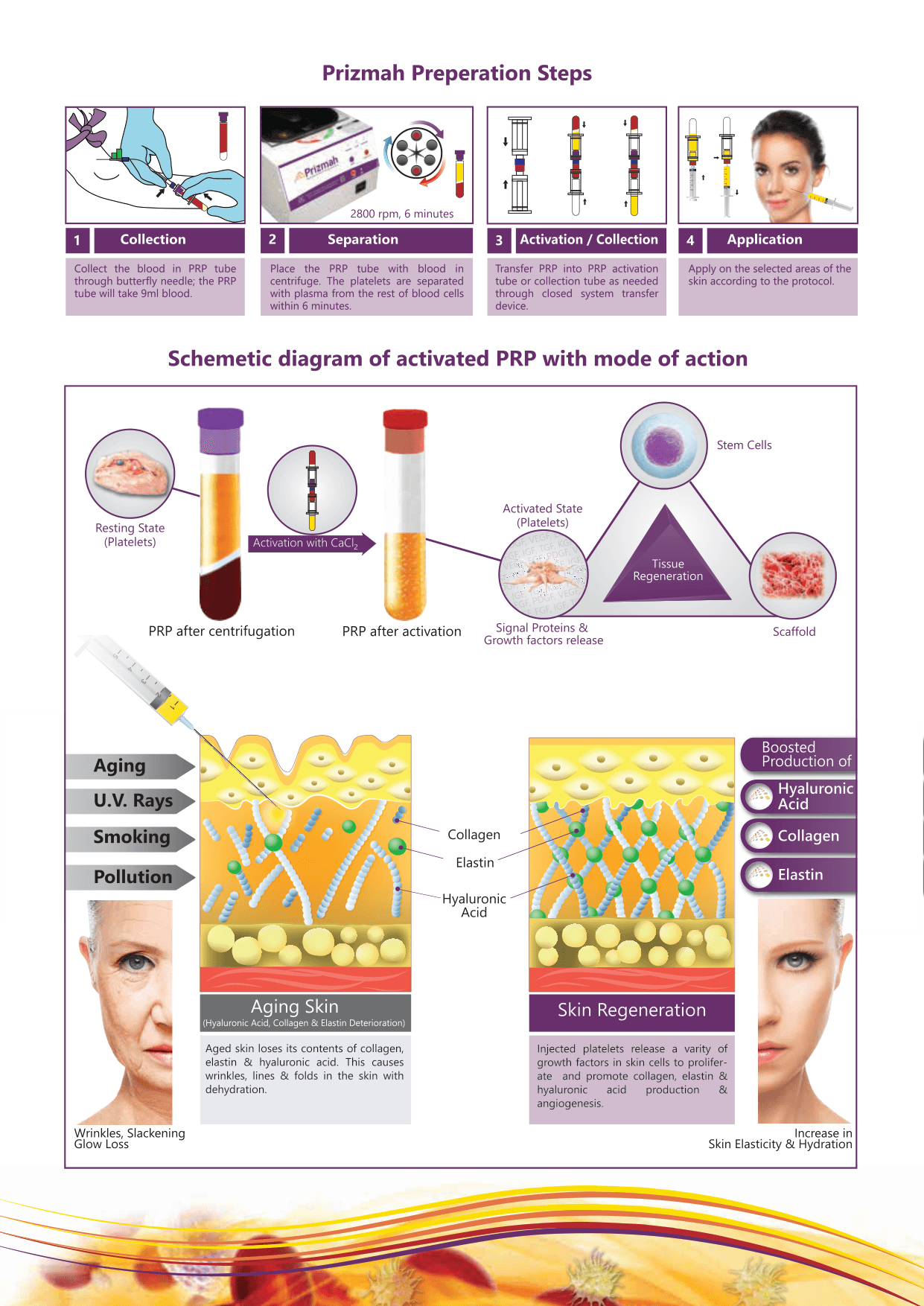
Wound healing unfolds in overlapping stages — haemostasis, inflammation, tissue generation and remodeling. Platelets play two pivotal early roles: achieving haemostasis and initiating the healing cascade by releasing signalling proteins that call macrophages into action.
Autologous growth factors from concentrated platelet suspensions have been used to treat chronic wounds for more than 25 years. By concentrating specific cells at the wound, healing time can be reduced significantly.
Prizmah curbs inflammation by suppressing cytokine release, then supports regeneration by promoting capillary angiogenesis and re-epithelialization. It also drives extracellular-matrix synthesis, collagen production and stem-cell proliferation and differentiation.
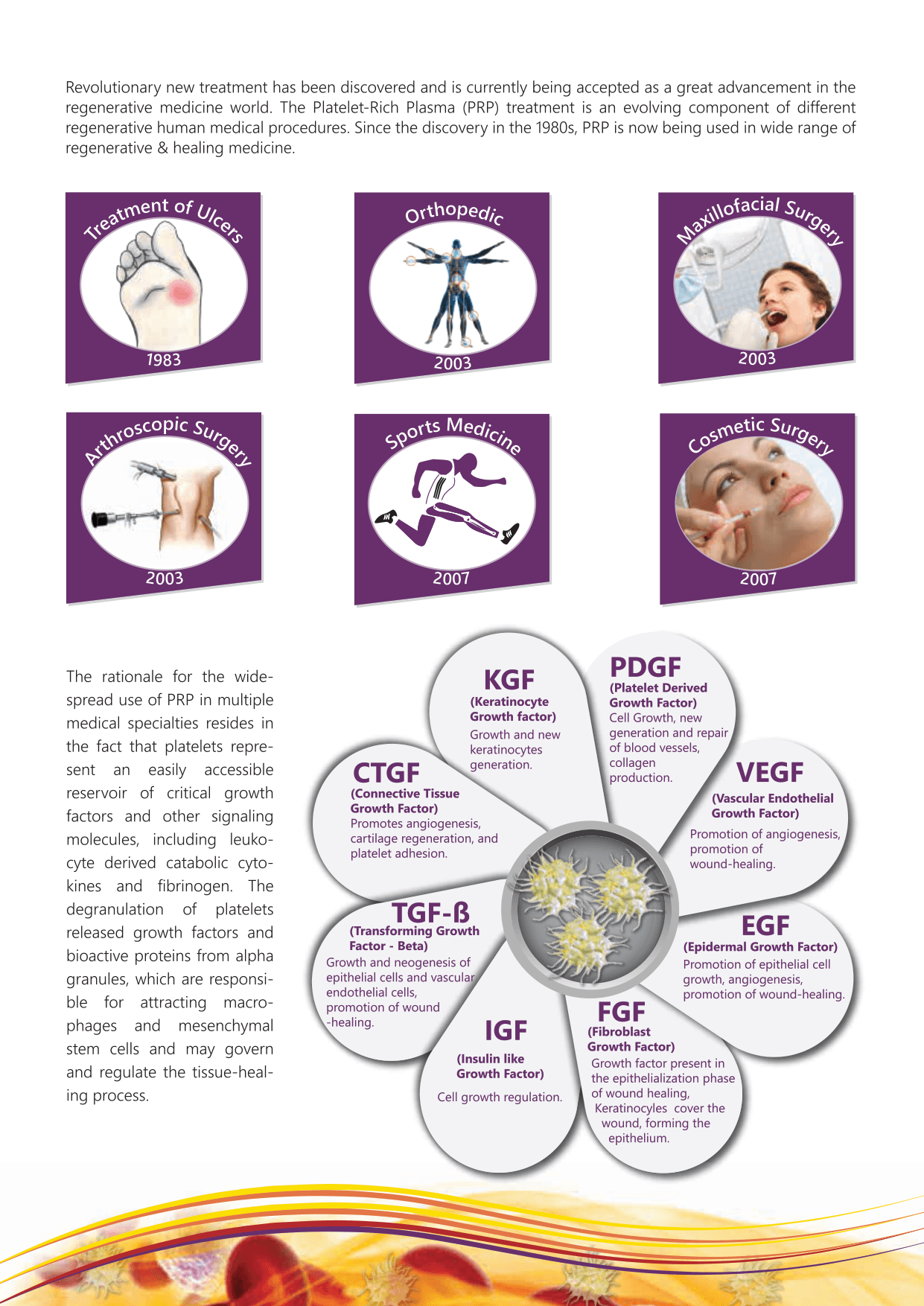
Published evidence spans chronic venous ulcers, nonhealing diabetic foot ulcers, burns and split-thickness graft donor sites, and acute trauma wounds — a body of work that positions PRP as a safe, simple and effective aid to standard wound care.
This article is derived from the official Prizmah clinical brochures and FAQ. It is for informational purposes and is not a substitute for professional medical advice.